

Loading AgenticCore

RAG & AI Knowledge Systems for B2B SaaS

Muhammad Daniyal, AI Systems Engineer — AI answers your users Can verify

I build production-focused RAG systems, knowledge assistants and document-intelligence workflows with citations, evaluation and tenant-aware access controls.

Most AI features are easy to demo. The hard part is making them trustworthy when the knowledge is private, constantly changing, and split across documents, databases and product surfaces.

I build the retrieval, evaluation and access-control layer that turns that knowledge into answers users can inspect and verify.

ENGINEERING PRINCIPLES

What I optimize for

Ground the answer Retrieval should surface relevant evidence, answers should cite it, and the system should have a safe path when evidence is insufficient.

Abstract mark: a document with a highlighted cited line GROUNDING
CITATIONS
Bound the system Models should not decide permissions. Access controls, validation and tenant boundaries belong in deterministic infrastructure.

Abstract mark: a bounded shield around small nodes SECURITY
BOUNDARIES
Evaluate before rollout Retrieval quality, citation behavior and failure cases should be tested before a workflow becomes production-critical.

Abstract mark: a small chart with a check mark EVALUATION
RELIABILITY

WAYS TO START

Start with an evaluation. Scale to a production system.

Each engagement starts from the problem and ends with something you can inspect: a decision, a working workflow, or a production system with a handover.

01 — EVALUATION

RAG Evaluation Sprint

From $750

Turnaround: 3–5 business days

A comprehensive audit of retrieval quality, citation validity and hallucination risks before committing to a costly build.

  • Retrieval & Chunking Audit: Precision@K, recall gaps, vector vs hybrid search trade-offs
  • Citation & Hallucination Trace: Stress-testing unsupported queries and failure boundaries
  • Tenant Boundary Review: Data leakage prevention, deterministic filters and RLS validation
  • Deliverable (Sample Report): 6–8 page executive & technical PDF audit with benchmark scores, query traces, and exact code remediation
  • Handoff: written findings walkthrough + prioritized build roadmap

02 — PILOT

Focused Production Pilot

From $2,500

One defined workflow

One defined production workflow built and validated against real constraints.

  • Defined workflow
  • Retrieval and model validation
  • Implementation
  • Integration
  • Evaluation
  • Deployment path

03 — IMPLEMENTATION

RAG / Knowledge System Implementation

Custom scope

Scoped after review

A complete knowledge system shaped around your data, integrations, access boundaries and production needs.

  • Production implementation
  • Integrations
  • Tenant boundaries
  • Evaluation
  • Observability
  • Deployment
  • Documentation and handover

Final scope, timeline and pricing are confirmed after a technical review.

Ongoing Engineering Support

Available after delivery.

PRACTICAL DETAILS

Payment, currency and availability.

Payment

50% advance to start. The remainder is due on milestones or delivery, paid against an invoice.

USDT

USDT is accepted. The wallet address is not published on this site — it is shared only after the agreement or invoice.

Availability

Available now: 1–2 spots per month for $750 RAG Evaluation Sprints (3–5 day turnaround). Full implementation projects are paused and scoped strictly through an evaluation first. Based in Pakistan (PKT).

VERIFY BEFORE HIRING

What you can verify before hiring.

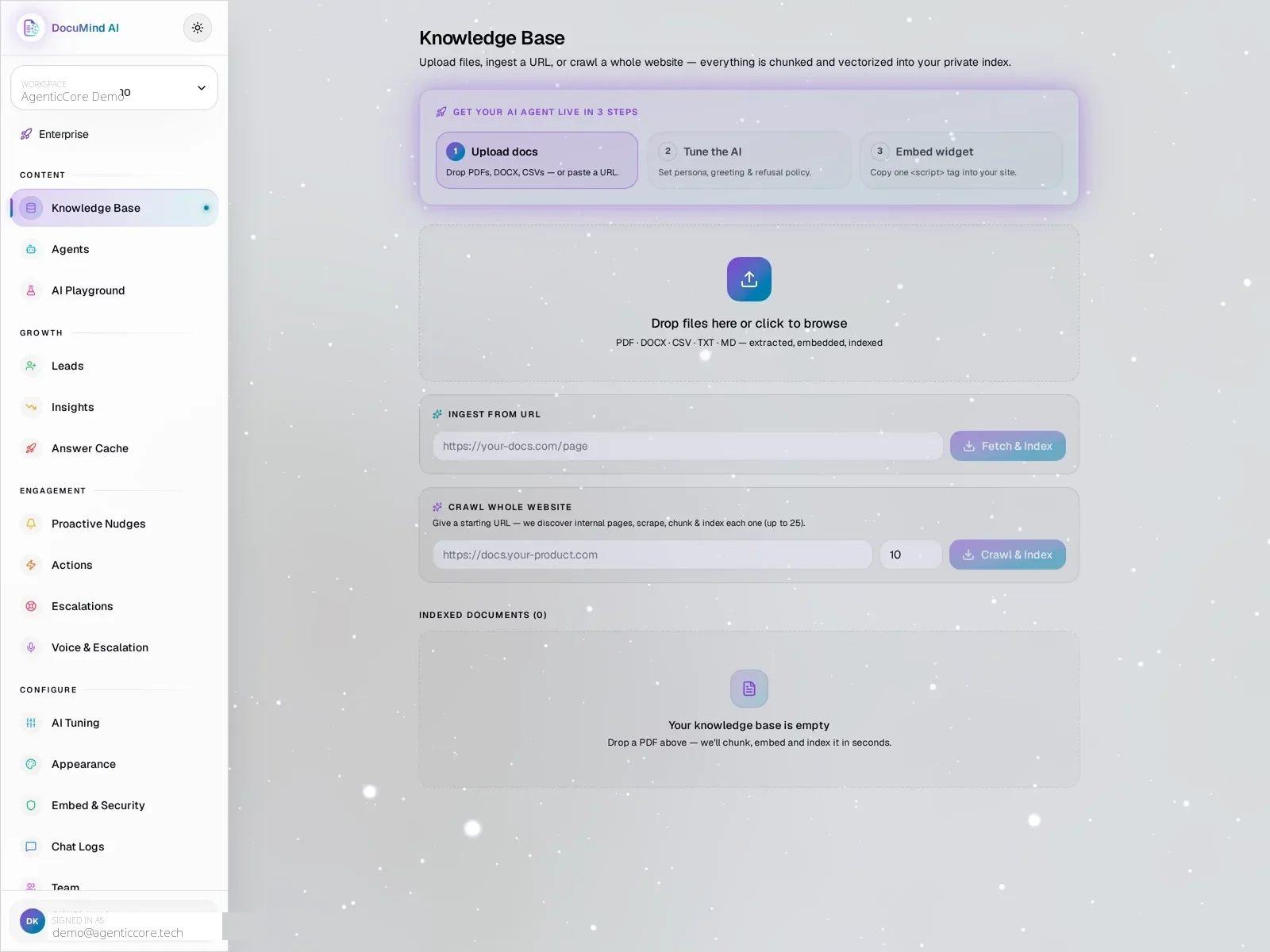
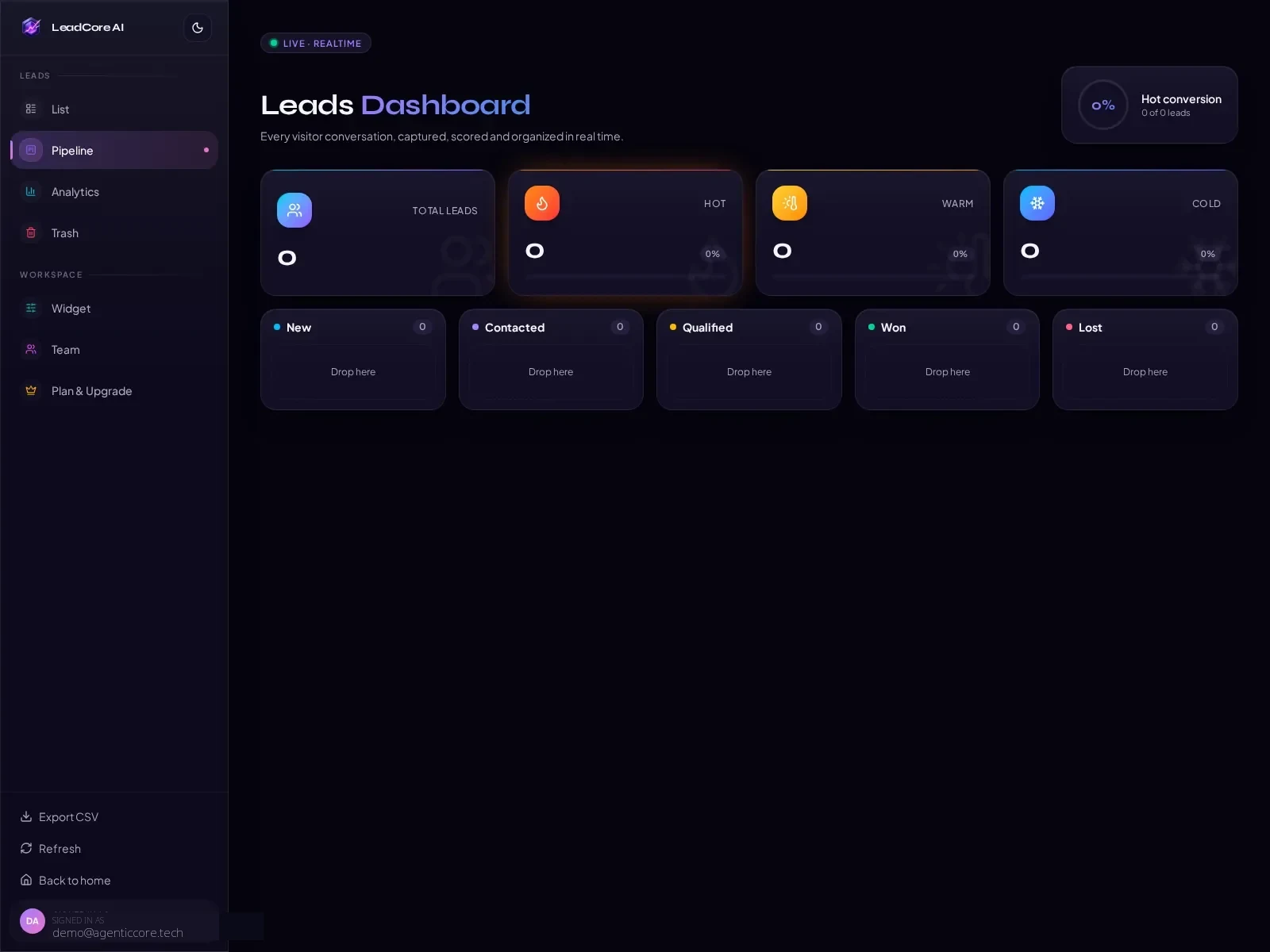
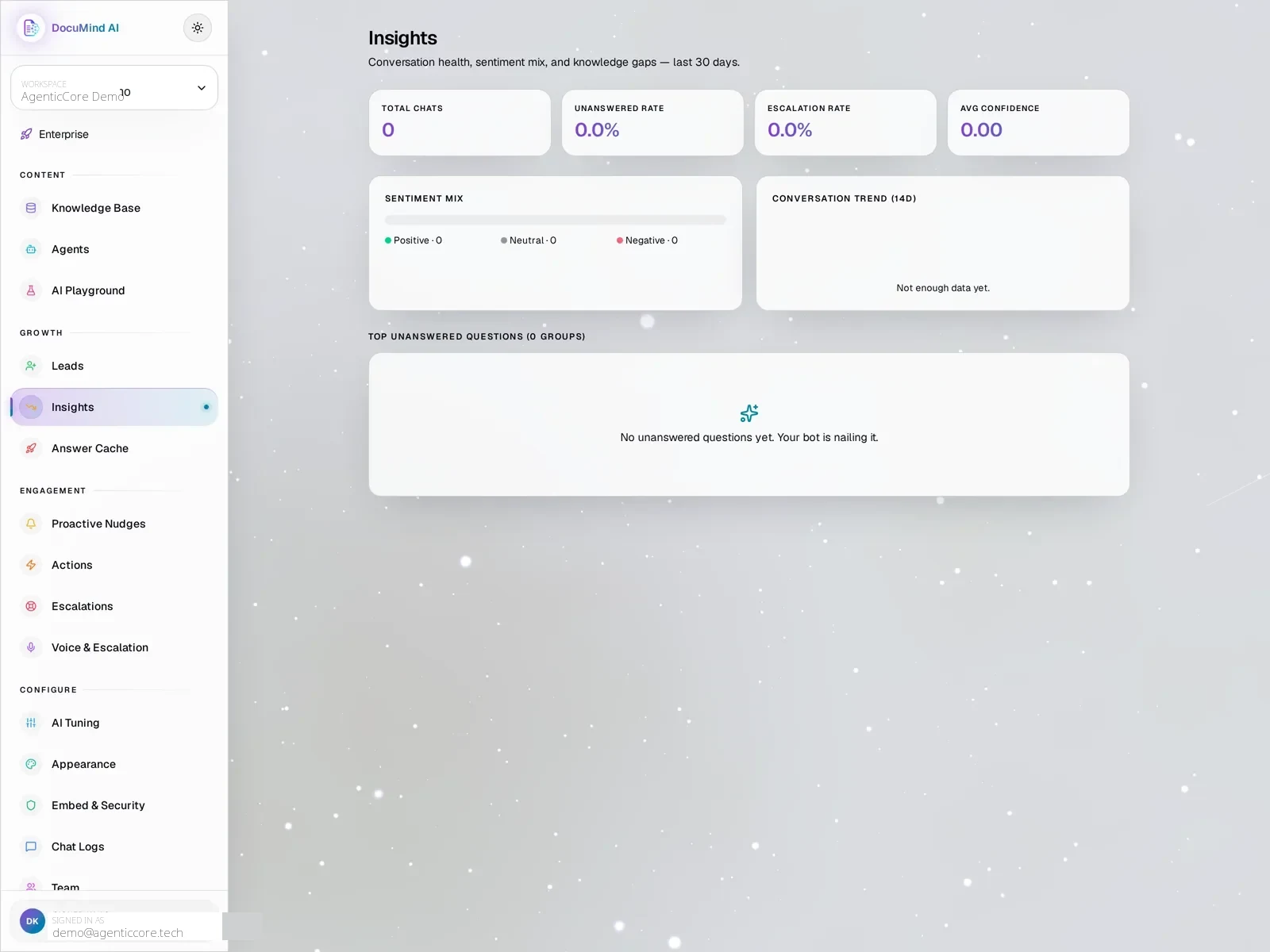
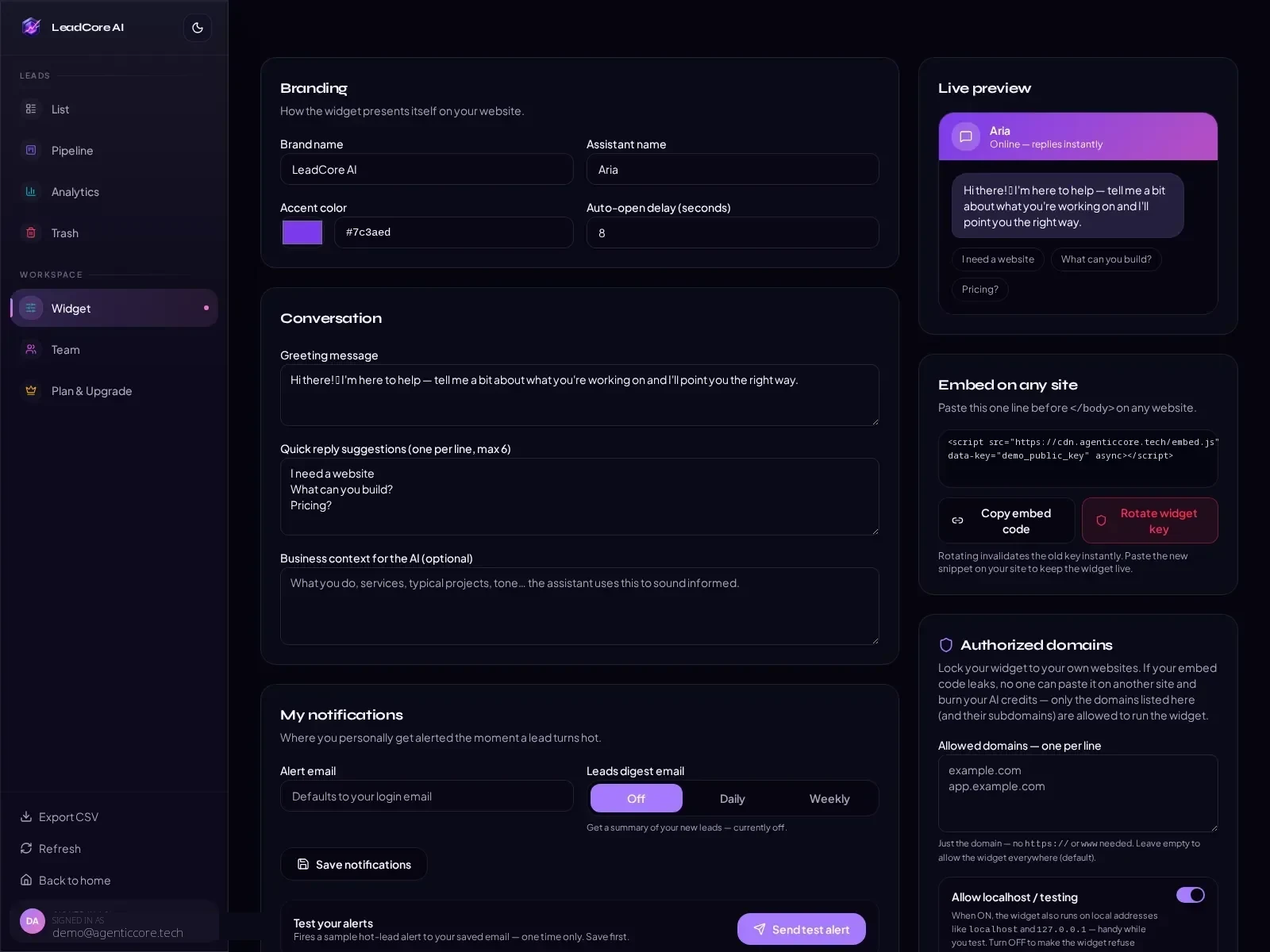
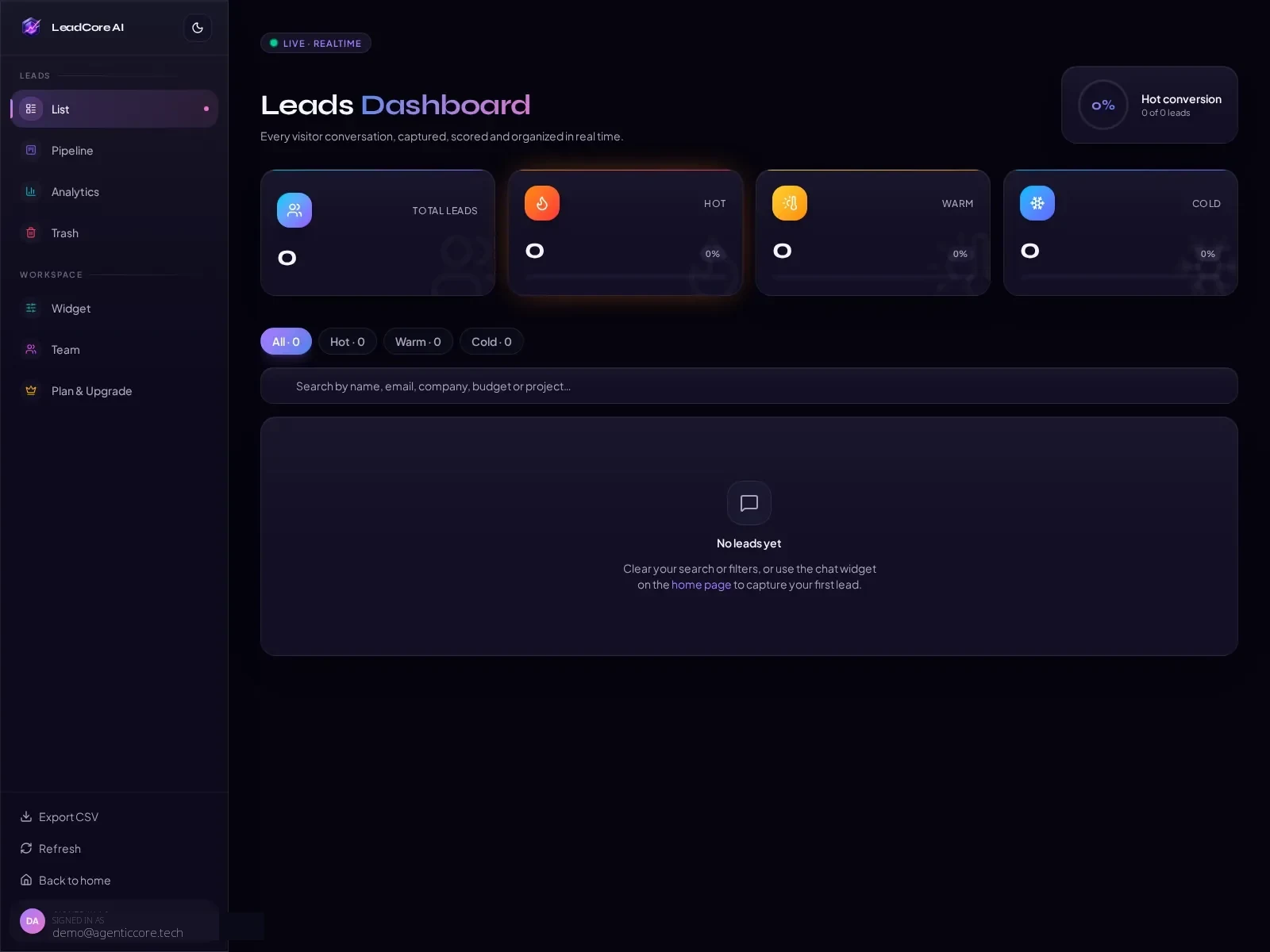
Two of my own products are live, so you can inspect real behavior instead of a pitch. Each case study documents the evaluation approach I use on client work: checking retrieval quality, evidence coverage, citation behavior and failure cases before rollout.

DocuMind and LeadCore are my own products, built as engineering proof — not client deployments.

Test DocuMind Live (Free Trial) ↗ Open live LeadCore →

SKILLS / TECH STACK

Skills and tech stack.

The verified stack used for DocuMind.

Frontend

TypeScript + React, TanStack Start/Router, Vite, Tailwind CSS, Radix UI.

Backend/Database

Supabase + Postgres, Drizzle ORM.

RAG/Vector

Postgres + pgvector, text-embedding-3-small.

AI/Chat

Groq (gpt-oss-120b) with Lovable AI Gateway / Gemini 2.5 Flash fallback.

Ingestion

PDF and DOCX parsing, URL/crawl ingestion.

Monitoring/Security

Sentry, Cloudflare Turnstile.

PROCESS

From problem to production.

Four steps. Each one ends with something decided, tested or shipped.

01

Scope

Define the workflow, the data, the constraints and what success actually means.

02

Validate

Test the retrieval or model approach and the failure modes before building around it.

03

Build & integrate

Implement the production workflow and the integrations it depends on.

04

Harden & hand over

Security, evaluation, observability, deployment, documentation and handover.

ABOUT

I build the systems I recommend.

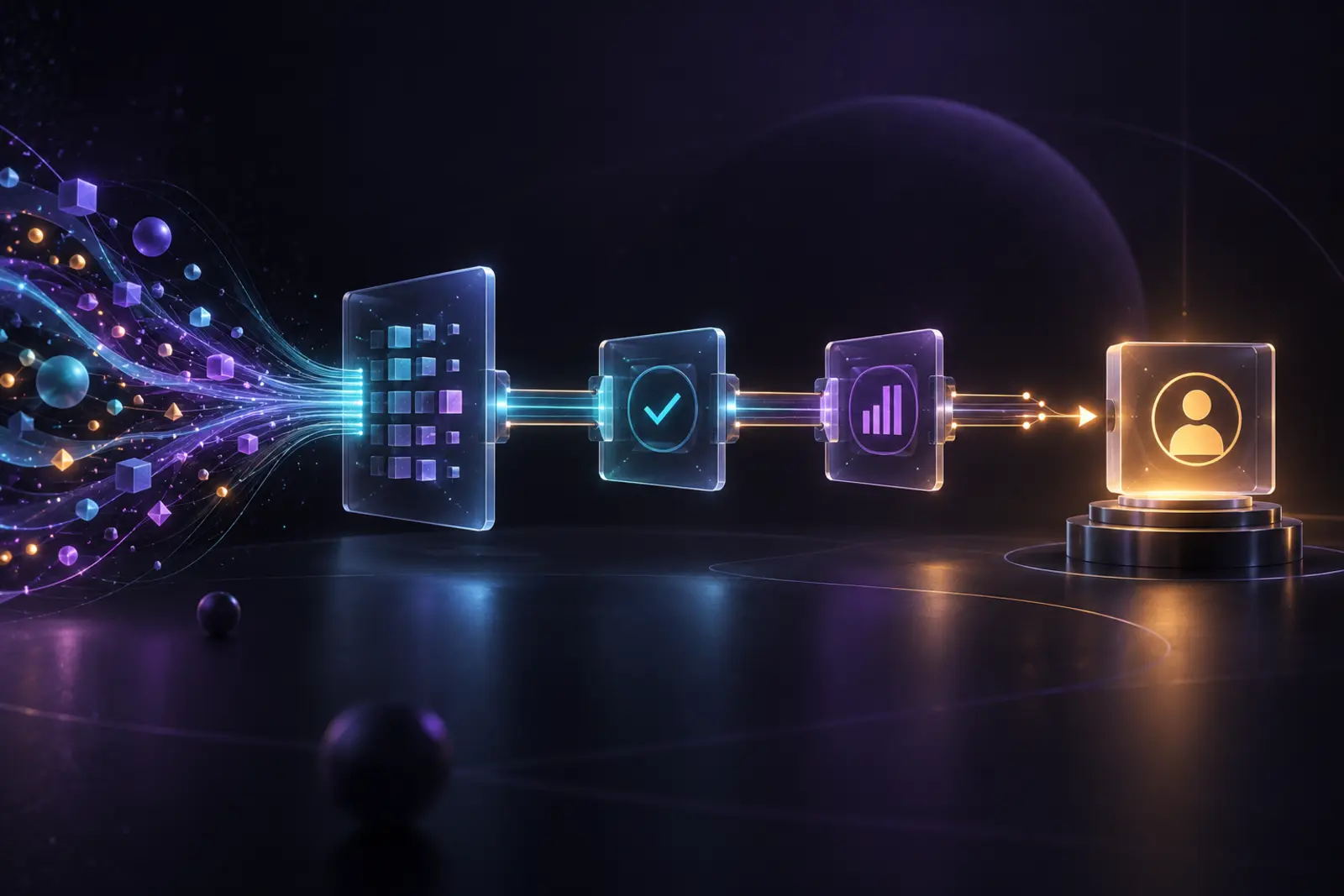
Editorial view of an AI systems engineering workspace with documents, architecture notes and retrieval graphs
Build context — editorial illustration
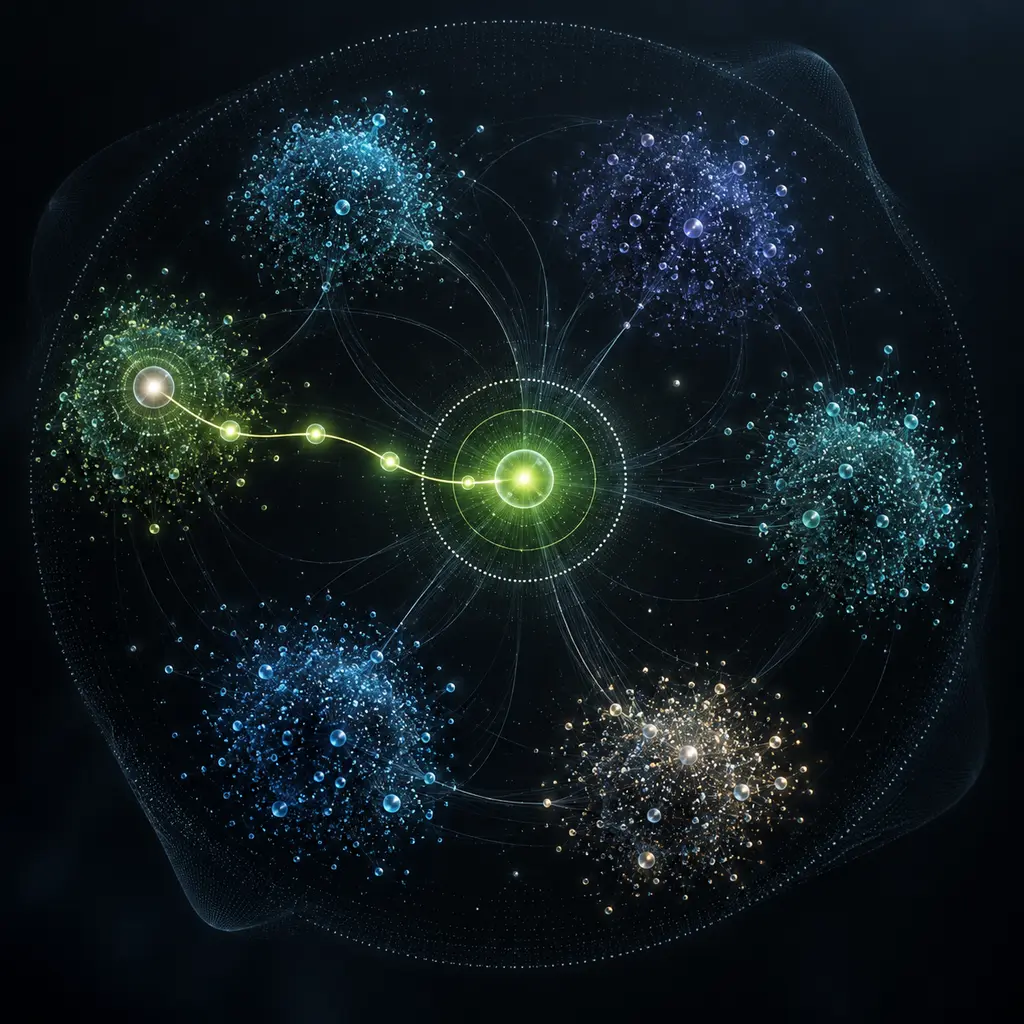
Abstract visualization of semantic retrieval clusters and an evidence path
Retrieval & evaluation notes

I’m Muhammad Daniyal, an independent AI systems engineer focused on RAG and AI knowledge systems for B2B SaaS — retrieval, citations, evaluation and tenant-aware access controls.

More about how I work →

DocuMind and LeadCore are products I built as engineering proof. They are my own products, not client deployments.

FAQ

Questions before we start.

What kind of team is a good fit?

B2B SaaS teams whose product or internal knowledge already exists, and whose AI answers now need to be verifiable, permission-aware and measurable in production.

What is included in an engagement?

A defined scope agreed up front: the workflow, the integrations, the evaluation approach and the deployment path. Every engagement ends with documentation and a handover you can maintain.

How is scope confirmed, and what if it changes?

Scope is confirmed in a written agreement before work starts — including the timeline, the contract/NDA and deliverables. If scope changes, the change is confirmed in writing before work on the changed scope begins.

Who owns the custom deliverables?

Custom deliverables and project-specific IP transfer according to the engagement agreement. Third-party and open-source components retain their respective licenses.

Are DocuMind and LeadCore client projects?

No. Both are my own products, built as engineering proof for the kind of systems I take on. The architecture, trade-offs and limitations described in each case study are my own decisions.

How quickly can we start?

Ready immediately for $750 Evaluation Sprints (completed in 3–5 business days). Full multi-week implementations are currently paused; every production engagement begins with an evaluation sprint so we validate technical feasibility and ROI before you commit to large engineering spend.